


Complete brochure Opacmare

Complete brochure Opacmare
Overview
This document is a bilingual literary and poetic narrative blending Italian and English, inspired by Ernest Hemingway’s themes of the sea, solitude, and nature. It combines evocative storytelling with technical maritime terminology, reflecting on the life and philosophy of an old fisherman navigating the ocean.
Main Sections and Themes
1. Narrative and Dream Imagery
The text opens with a contemplative quote from Hemingway, setting a tone of freedom at sea. It describes the old man’s dreams of Africa’s beaches and lions, symbolizing hope and happiness amid hardship. The narrative richly evokes sensory details—land breeze, waves, native boats—highlighting a profound connection to nature.
2. The Sea and Its Creatures
The fisherman rows into the deep ocean, entering a biologically rich zone called the "great well." The text vividly portrays marine life including phosphorescent algae, flying fish, squid, shrimp, and various sea turtles. The sea is personified as a feminine entity, alternately kind and cruel, influenced by lunar cycles.
3. Fishing Techniques and Equipment
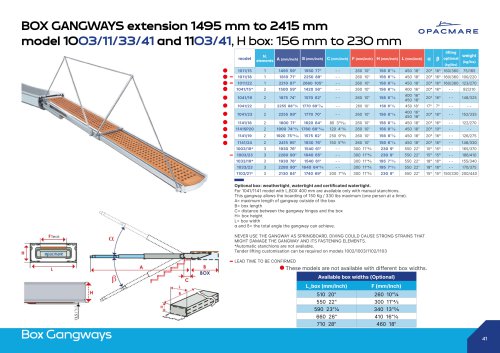
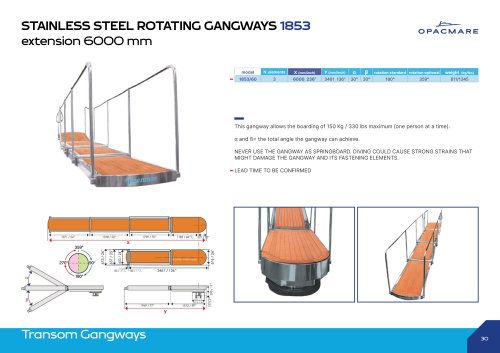
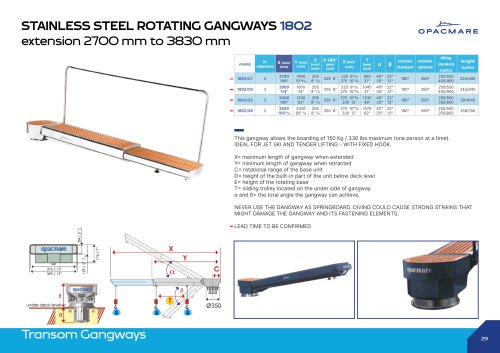
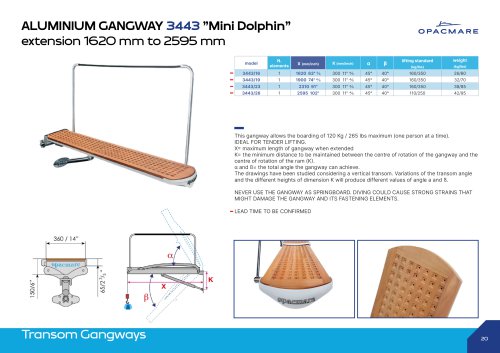
Detailed descriptions emphasize the old man’s skill in managing fishing lines with precision, contrasting with younger fishermen’s reliance on motorboats and less refined methods. Techniques include use of spoon lures, manual doors (porte manuali), and harvesting shrimps from Gulf weed. The narrative also sporadically lists nautical equipment terms such as watertight doors, pilot seats, gangways, swim stepladders, and davits, suggesting a technical glossary embedded within the poetic text.
4. Environmental and Nautical Observations
The fisherman relies on natural indicators—trade winds, cloud formations, flying fish behavior, and absence of birds—to navigate and predict weather, eschewing modern instruments like compasses. The text notes hazards such as the Portuguese man-of-war and describes sea turtles’ feeding habits, underscoring a deep ecological awareness.
5. Reflections on Solitude and Companionship
The old man’s solitude is a central theme; he copes through self-dialogue and finds companionship in the surrounding wildlife. Despite physical isolation, he experiences a spiritual connection with the sea’s life, emphasizing that no one is truly alone at sea.
6. The Struggle with the Big Fish
A significant narrative thread recounts the battle with a large fish, likely a marlin, highlighting mutual respect between fisherman and fish. This struggle symbolizes endurance, wisdom, and the intimate relationship between man and nature.
7. Symbolism and Philosophy
The document closes with a philosophical statement: "Man is not made for defeat. Man can be killed but not defeated," encapsulating themes of resilience and human spirit. The bilingual phrase "You are really free only in the sea" reinforces the sea as a symbol of ultimate freedom.
Critical Information and Recommendations
- Traditional Knowledge: Emphasizes reliance on natural navigation cues over modern instruments, highlighting the value of experiential maritime wisdom.
- Respect for Marine Life: Advocates sustainable fishing practices and empathetic understanding of marine creatures’ behavior.
- Mental Resilience: Highlights solitude at sea as a challenge requiring self-communication and psychological endurance.
- Technical Familiarity: The inclusion of nautical equipment terms suggests the importance of understanding vessel fittings and maritime technology alongside traditional seamanship.
Summary
This document is a layered meditation combining poetic narrative with technical maritime references. It portrays the old fisherman’s journey as a symbol of endurance, respect for nature, and the profound solitude and freedom found at sea. The integration of traditional fishing techniques with modern nautical terminology reflects the evolving relationship between humans and the ocean environment.
Catalog excerpts

MARE SI È DAVVERO LIBERI YOU ARE REALLY FREE ONLY IN THE SEA
Open the catalog to page 1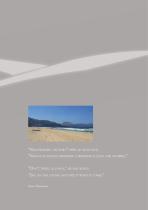
“non pensare, veCChio” disse ad aLta voCe. “naviga in Questa direzione e preparati a QueL Che avverrÀ.” “don’t think, old man,” he said aloud. “sail on this course and take it When it comes.” Ernest Hemingway
Open the catalog to page 3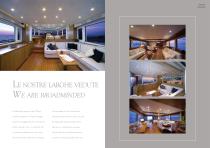
finestre windows Le nostre larghe vedute We are broadminded Si addormentò presto e sognò l’Africa He was asleep in a short time and he quand’era ragazzo e le lunghe spiagge dreamed of Africa when he was a boy and dorate e le spiagge bianche, così bianche the long golden beaches and the white da far male agli occhi, e i promontori alti beaches, so white they hurt your eyes, e le grandi montagne brune. Ora viveva and the high capos and the great brown tutte le notti lungo quella costa e nel sogno mountains. He lived along that coast now
Open the catalog to page 4
finestre windows udiva il fragore dei frangenti e vedeva le barche indigene che li fendevano. Mentre dormiva sentiva l’odore del catrame e every night and in his dreams he heard the surf roar and saw the native boats come
Open the catalog to page 5
finestre windows
Open the catalog to page 6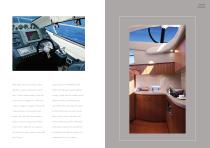
finestre windows della stoppa del ponte e sentiva l’odore riding through it. He smelled the smell dell’Africa recato al mattino dal vento di of Africa that the land breeze brought at terra. Di solito quando sentiva l’odore del morning. Usually when he smelled the land vento di terra si svegliava e si vestiva per breeze he woke up and dressed to go andare a svegliare il ragazzo. Ma stanotte and wake the boy. But tonight the smell of l’odore del vento di terra giunse molto the land breeze came very early and he presto e nel sogno capì che era troppo knew it was too early in his dream and presto...
Open the catalog to page 7
porte automatiche a tenuta d’acqua weather proof automatic doors A volte, in una barca, qualcuno parlava. Ma quasi tutte le barche erano silenziose eccettuato il tuffo dei remi. Si allontanarono le une dalle altre appena uscite dall’imboccatura del porto e ciascuna si avviò in quella parte di Sometimes someone would speak in a boat. But most of the boats were silent except for the dip of the oars. They spread apart after they were cut of the mouth of the harbour and each one headed for the part of the
Open the catalog to page 8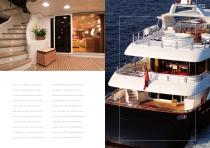
porte automatiche a tenuta d’acqua weather proof automatic doors oceano in cui sperava di trovare pesci. ocean where he hoped to find fish. The old Il vecchio intendeva dirigersi al largo e si lasciò l’odor della terra alle spalle left the smell of the land behind and rowed e remò nel fresco odor dell’oceano del out into the clean early morning smell of primo mattino. Vide la fosforescenza delle alghe del Golfo nell’acqua mentre of the Gulf weed in the water ad he rowed remava in quella parte dell’oceano che over the part of the ocean that the fishermen i pescatori chiamavano il gran pozzo called...
Open the catalog to page 9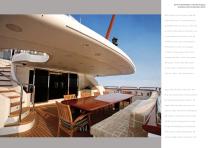
porte automatiche a tenuta d’acqua weather proof automatic doors dalla corrente contro le pareti ripide del fondo dell’oceano. Si concentravano qui gamberetti e pesci da esca e a volte frotte di calamari nelle buche più profonde, che la notte salivano alla superficie a far da nutrimento a tutti i pesci che passavano. Nell’oscurità il vecchio sentì giungere il mattino e mentre remava udì il suono tremolante dei pesci volanti che uscivano dall’acqua e il sibilo fatto dalle rigide ali tese mentre si allontanavano librate nel buio. I pesci volanti gli piacevano steep walls of the floor of the ocean....
Open the catalog to page 10
porte automatiche a tenuta d’acqua weather proof automatic doors molto ed erano i suoi migliori amici, darkness. He was very fond of flying fish as sull’oceano. Pensò con dolore agli uccelli, they were his principal friends on the ocean. specialmente alle piccole, delicate sterne He was sorry for the birds, especially the nere, che volavano sempre in cerca di small delicate dark terns that were always qualcosa senza quasi mai trovar nulla e flying and looking and almost never finding, pensò: “La vita degli uccelli è più dura and he thought, “The birds have a harder della nostra, tranne per gli...
Open the catalog to page 11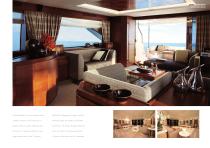
porte automatiche automatic doors emolta bellezza. Ma può diventare tanto birds that fly, dipping and hunting, with their crudele e avviene così d’improvviso e small sad voices are made too delicately questi uccelli che volano, tuffandosi per la caccia, con quelle vocette tristi, sono as la mar which is what people call her troppo delicati per il mare”. Pensava in Spanish when they love her. Sometimes
Open the catalog to page 12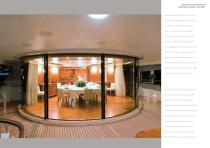
verande curve automatiche automatic rounded “verandas” sempre al mare come a la mar, come lo chiamano in spagnolo quando lo amano. A volte coloro che l’amano ne parlano male, ma sempre come se parlassero di una donna. Alcuni fra i pescatori più giovani, di quelli che usavano gavitelli come galleggianti per le lenze e avevano le barche a motore, comprate quando il fegato di pescecane rendeva molto, ne parlavano come di el mar al maschile. Ne parlavano come di un rivale o di un luogo o perfino di un nemico. Ma il vecchio those who love her say bad things of her but they are always said as though...
Open the catalog to page 13
verande curve automatiche automatic rounded “verandas” lo pensava sempre al femminile e come feminine and as something that gave or Il sole sorse lieve dal mare e il vecchio vide The sun rose thinly from the sea and the old qualcosa che concedeva o rifiutava grandi withheld great favours, and if she did wild le altre barche basse sull’acqua e vicino man could see the other boats, low on the favori e se faceva cose strane o malvagie or wicked things it was because she could alla riva, sparse nel corso della corrente. water and well in toward the shore, spread out era perché non poteva evitarle....
Open the catalog to page 14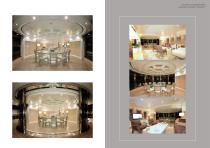
verande curve automatiche automatic rounded “verandas”
Open the catalog to page 15All Opacmare catalogs and brochures
Archived catalogs
 Balcony 4201
1 Page
 EVO TRANSFORMER 5430
1 Page
 S.A.F.E. 5270
1 Page
 COMPANIONWAY 2534.08
1 Page
 KING STEPLADDER 3602
1 Page
 Teaky beach 6300 - 6312
1 Page
 AUTOMATIC STEPLADDERS
1 Page
 BALCONY 4304
1 Page
 transformer serie 3360
2 Pages
 passerelle serie 1003
1 Page
 transformer model 3383
26 Pages
 davit model 3088
1 Page
 box passerelle 1043
1 Page
 box balcony model 4502
1 Page
 balcony 4501
1 Page
 passerella modello 3270
1 Page
 passerelle model 3260
1 Page
 Box balcony model 4303
2 Pages
 manual door model 2061
1 Page
 new handle 7550
2 Pages
 Side door model 2392.01
1 Page
 Balcony 4303
2 Pages
 passerelle serie 4994
1 Page
 3883 Maxi Dolphin
1 Page
 transformer serie 3350
2 Pages
 Rotating Davit 1722
1 Page
 Serie M
1 Page
 Rotating Davit 1732
1 Page
 passerelle model 5335
1 Page
 Tender Lift 5220
2 Pages
 passerelle serie 1043
1 Page
 Gangways stepladders
176 Pages
 Balcony 4202
1 Page
 Balcony 4301/02
1 Page
 3333 Ecodolphin
1 Page
 3381
33813 Pages
 DOOR STOP 7500/7501/7502
1 Page
 3334 “Mini Ecodolphin”
1 Page
 transformer model 3384
2 Pages
 manual door model 2353
1 Page
 sliding hatch model 2510
1 Page
 passerelle model 4994
1 Page
 Extensions for passerelles
2 Pages
 passerelle model 5995
1 Page
 passerelle model 1832
1 Page
 passerelle model 6996
1 Page
 passerelle model 1812
1 Page
 transformer model 3381
2 Pages
 transformer model 3382
2 Pages
 hatch model 2411
1 Page
 transformer model 3385 MAXI
2 Pages
 hatch series 2400
1 Page
 door model 2602
1 Page
 manual window model 2771
1 Page
 seat model 6490
1 Page
 seat model 6481
1 Page
 seat model 6475
1 Page
 seat model 6473
1 Page
 seat bases model 6691
1 Page
 seat bases model 6692
1 Page
 seats model 6476
1 Page
 seat model 6494
1 Page
 table bases model 6680
1 Page
 table bases model 6681
1 Page
 table bases model 6682
1 Page
 stool model SI 810.44
2 Pages
 stool model SI 820.45
2 Pages
 stool model SI 830.75
2 Pages
 table model TI 110.60
2 Pages
 table model TI 110.80
2 Pages
 table model TI 120.60
2 Pages
 shade
shade1 Page


